Best Time to Visit Vietnam
Vietnam is one of Southeast Asia’s most diverse travel destinations, offering stunning beaches, ancient towns, vibrant cities, breathtaking mountains, and rich cultural heritage. Due to its unique geography stretching over 1,650 kilometers from north to south, the weather varies significantly between regions.
As a result, the best time to visit Vietnam depends largely on where you plan to travel and what experiences you seek. Whether you want to cruise through Ha Long Bay, explore the lantern-lit streets of Hoi An, trek through Sapa’s rice terraces, or relax on the beaches of Phu Quoc, understanding Vietnam’s climate can help you plan the perfect trip.
In this guide, we’ll break down Vietnam’s seasons, regional weather patterns, and the best months for different travel experiences.
Overview of Vietnam’s Climate
Vietnam has a tropical and subtropical climate with three distinct geographical regions:
- Northern Vietnam
- Central Vietnam
- Southern Vietnam
Each region experiences different weather conditions throughout the year.
Northern Vietnam
Popular destinations:
- Hanoi

- Ha Long Bay

- Sapa

- Ninh Binh

- Ha Giang

Northern Vietnam experiences four seasons:
- Spring (March–April)
- Summer (May–August)
- Autumn (September–November)
- Winter (December–February)
Central Vietnam
Popular destinations:
- Da Nang

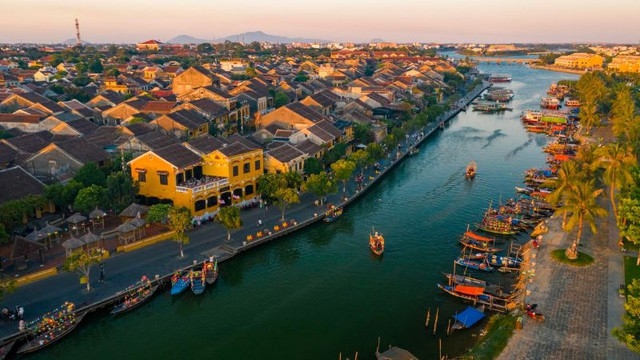
- Hoi An

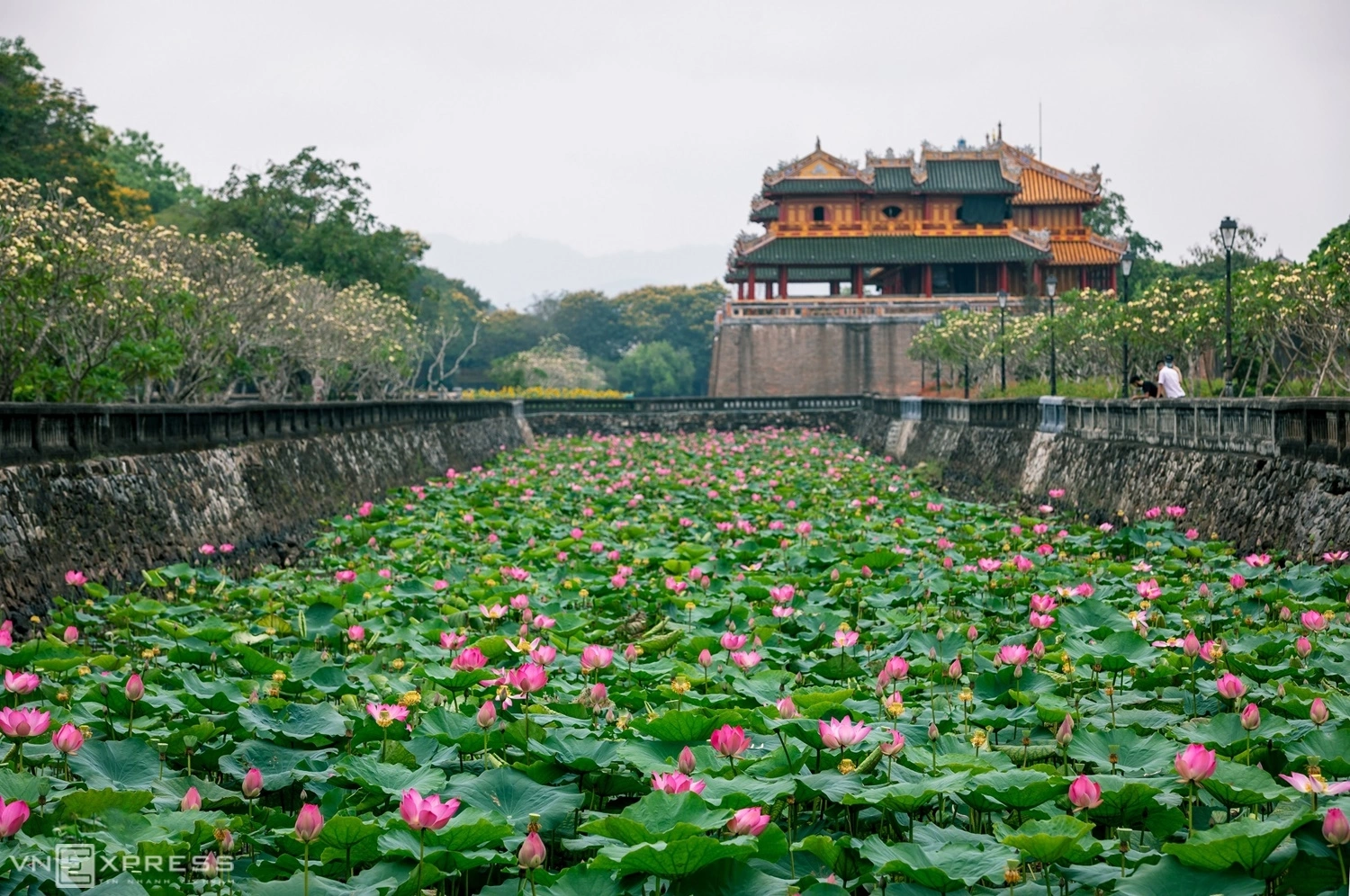
- Hue

- Nha Trang

- Quy Nhon

Central Vietnam generally enjoys warm temperatures year-round but experiences a rainy season from September to December.
Southern Vietnam
Popular destinations:
- Ho Chi Minh City

- Mekong Delta

- Phu Quoc Island
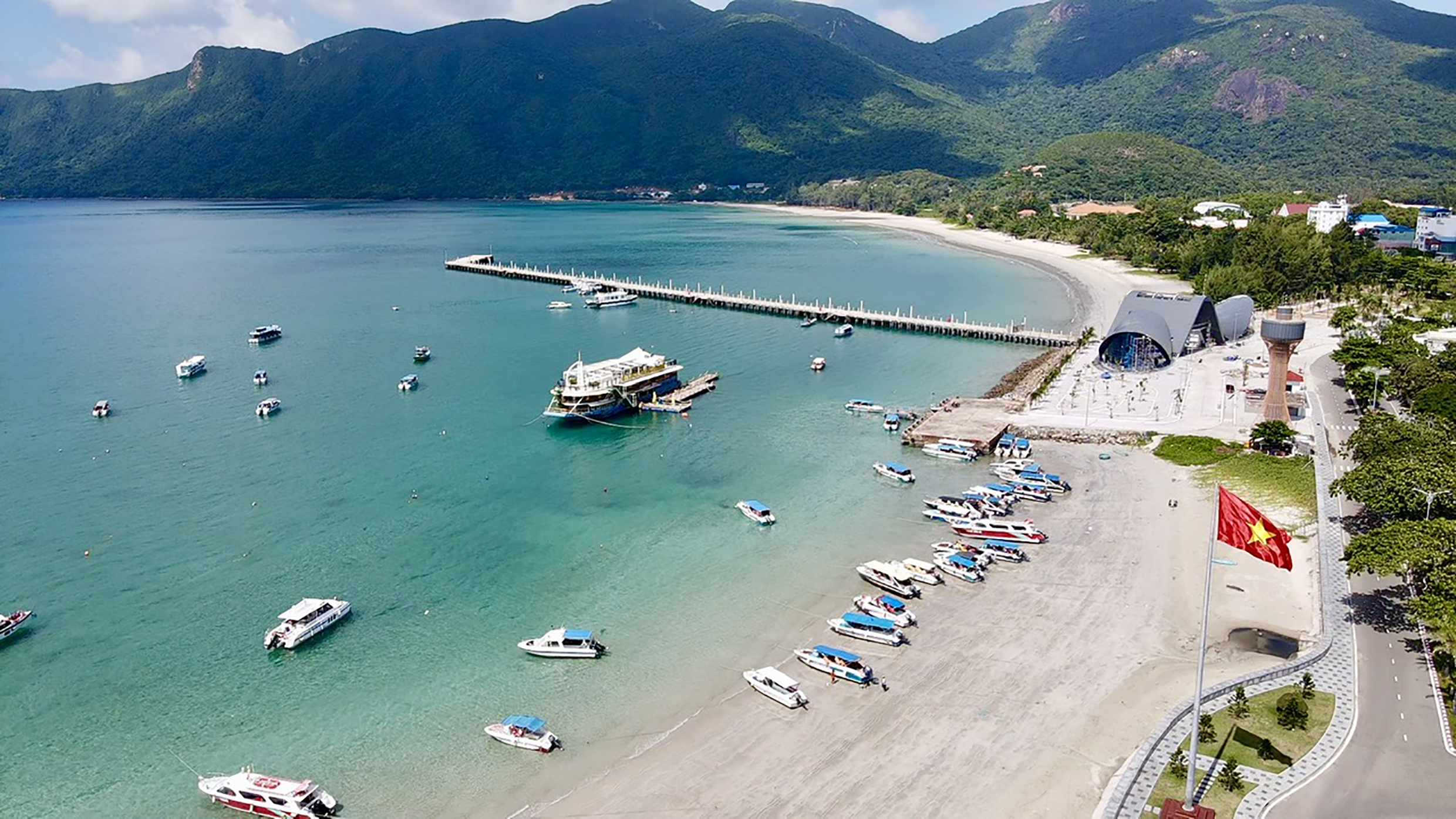
- Con Dao

Southern Vietnam has two primary seasons:
- Dry Season (November–April)
- Rainy Season (May–October)
Best Time to Visit Vietnam Overall
If you want the most pleasant weather across the country, the best time to visit Vietnam is:
March to April
These months offer:
- Comfortable temperatures
- Low rainfall
- Clear skies
- Excellent conditions for sightseeing
- Ideal beach weather in many regions
Travelers can comfortably explore Hanoi, Ha Long Bay, Hoi An, Da Nang, and Ho Chi Minh City during this period.
Why March and April Are Ideal
Benefits include:
- Blooming landscapes
- Moderate humidity
- Fewer weather disruptions
- Great photography conditions
- Suitable for outdoor adventures
Vietnam by Season
Spring (March to April)
Spring is widely considered the best season to visit Vietnam.
Weather Conditions
Average temperatures:
- Hanoi: 18–25°C
- Da Nang: 22–30°C
- Ho Chi Minh City: 25–34°C
Best Activities
- Ha Long Bay cruises
- Sapa trekking
- Hanoi city tours
- Cycling in Ninh Binh
- Exploring Hoi An Ancient Town
Pros
- Mild weather
- Green landscapes
- Lower humidity
- Comfortable sightseeing
Summer (May to August)
Summer brings heat and humidity, especially in the north.
Weather Conditions
Temperatures can reach:
- Hanoi: 35°C+
- Ho Chi Minh City: 33°C+
- Da Nang: 34°C+
Best Places to Visit
- Da Nang
- Nha Trang
- Phu Quoc
- Con Dao
- Quy Nhon
Advantages
- Best beach season
- Long daylight hours
- Vibrant coastal atmosphere
Things to Consider
- Occasional typhoons
- High temperatures
- Peak domestic tourism season
Autumn (September to November)
Many travelers consider autumn the most beautiful season in Northern Vietnam.
Highlights
- Cool temperatures
- Clear skies
- Golden rice terraces
Best Destinations
Hanoi
Autumn in Hanoi is famous for:
- Cool breezes
- Yellow leaves
- Street food culture
Sapa
September and October are harvest season, creating stunning golden rice fields.
Ha Giang
Ideal for:
- Motorbike adventures
- Mountain landscapes
- Cultural experiences
Why Visit in Autumn
- Excellent photography
- Pleasant weather
- Fewer crowds than summer
Winter (December to February)
Winter affects mainly Northern Vietnam.
Northern Vietnam
Temperatures can drop to:
- Hanoi: 10–20°C
- Sapa: 0–10°C
Occasionally, Sapa experiences frost and light snowfall.
Central and Southern Vietnam
Meanwhile:
- Da Nang remains warm
- Phu Quoc enjoys excellent beach weather
- Ho Chi Minh City stays sunny
Best Winter Destinations
- Phu Quoc Island
- Con Dao Islands
- Ho Chi Minh City
- Mekong Delta
Best Time to Visit Northern Vietnam
Northern Vietnam offers dramatic landscapes and distinct seasons.
Best Months
September to November
Reasons:
- Comfortable temperatures
- Clear mountain views
- Rice harvest season
March to April
Reasons:
- Spring blossoms
- Mild weather
- Excellent trekking conditions
Top Attractions
- Hanoi
- Ha Long Bay
- Sapa
- Ninh Binh
- Ha Giang Loop
Reference: Hanoi – Ha Long – Sapa – Ninh Binh
Best Time to Visit Central Vietnam
Central Vietnam is known for beaches and cultural heritage sites.
Reference: Danang – Hoian – Hue
Best Months
February to August
Benefits:
- Dry weather
- Sunshine
- Calm seas
Top Destinations
- Hoi An
- Da Nang
- Hue
- Nha Trang
- Quy Nhon
Avoid
September–November due to:
- Heavy rainfall
- Flood risks
- Tropical storms
Best Time to Visit Southern Vietnam
Southern Vietnam enjoys warm temperatures throughout the year.
Reference: Hochiminh city – Mekong Delta – Cantho
Best Months
November to April
Advantages:
- Dry weather
- Blue skies
- Beach-friendly conditions
Popular Destinations
- Ho Chi Minh City
- Mekong Delta
- Phu Quoc
- Con Dao
Rainy Season
May–October features:
- Short afternoon showers
- Lush scenery
- Fewer tourists
Best Time to Visit Vietnam for Beaches
Beach lovers should consider:
March to August
Top Beach Destinations:
Da Nang
Known for:
- My Khe Beach
- Luxury resorts
- Water sports
Nha Trang
Offers:
- Snorkeling
- Diving
- Island hopping
Phu Quoc
Perfect for:
- Sunsets
- White sand beaches
- Tropical escapes
Best Time to Visit Vietnam for Trekking
Adventure travelers should visit:
September to November
Ideal locations:
Sapa
Highlights:
- Rice terraces
- Ethnic villages
- Mountain trekking
Ha Giang
Known for:
- Scenic mountain passes
- Cultural immersion
- Motorbike adventures
Cao Bang
Features:
- Ban Gioc Waterfall
- Limestone mountains
- Nature exploration
Best Time to Visit Vietnam for Festivals
Vietnam hosts many cultural celebrations throughout the year.
Tet Holiday
Usually January or February.
Highlights:
- Traditional customs
- Family gatherings
- Cultural events
Mid-Autumn Festival
Usually September.
Highlights:
- Lantern displays
- Traditional performances
- Local celebrations
Hue Festival
Celebrates Vietnam’s imperial heritage through:
- Art performances
- Traditional music
- Cultural exhibitions
Month-by-Month Guide to Vietnam
| Month | Travel Recommendation |
|---|---|
| January | South Vietnam & Phu Quoc |
| February | Nationwide travel |
| March | Excellent across Vietnam |
| April | Best overall month |
| May | Beaches and islands |
| June | Coastal destinations |
| July | Beach holidays |
| August | Central Vietnam |
| September | Northern mountains |
| October | Hanoi & Ha Giang |
| November | Nationwide travel |
| December | South Vietnam |
Travel Tips for Visiting Vietnam
To enjoy the best experience:
- Check regional weather forecasts.
- Book accommodations early during peak seasons.
- Pack layers if visiting Northern Vietnam.
- Prepare for tropical rain during monsoon months.
- Consider regional climate differences when planning routes.
Conclusion
The best time to visit Vietnam depends on your travel goals, but for most visitors, March to April offers the perfect combination of pleasant temperatures, low rainfall, and excellent conditions across the country.
For beach holidays, choose March to August. For mountain adventures and photography, visit September to November. If you prefer sunny tropical weather, Southern Vietnam shines from November to April.
No matter when you travel, Vietnam offers unforgettable experiences, world-class cuisine, diverse landscapes, and rich cultural heritage that make it one of Asia’s most rewarding destinations.