
 admin
09/23/2026
admin
09/23/2026

 Sapa is one of the most captivating destinations in northern Vietnam, famous for its dramatic mountain landscapes, terraced rice fields, ethnic villages, and cool climate. Whether you are looking for adventure, cultural experiences, breathtaking scenery, or a relaxing getaway, Sapa has something for every traveler.
If you are planning a trip to Sapa, this guide covers the best places to visit in Sapa, the best time to travel, and a suggested 3-day itinerary to help you make the most of your journey.
Sapa is beautiful throughout the year, but each season offers a different experience.
From February to April, Sapa welcomes spring with cool weather, blooming peach and plum flowers, and lush mountain landscapes. This is a great time to explore ethnic villages, experience local culture, and enjoy the peaceful atmosphere of the northern highlands.
From May to August, Sapa offers a refreshing escape from the hot weather in other parts of Vietnam.
Around May and June, the terraced rice fields enter the water season, creating beautiful reflections across the mountain slopes. This is also a good time for trekking and exploring the surrounding villages.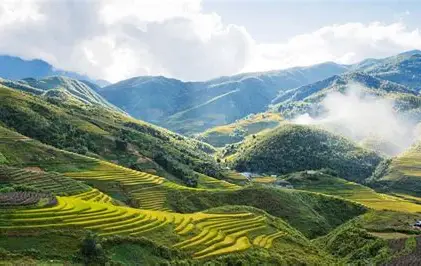
September and October are among the most popular months to visit Sapa, especially for travelers who want to see the famous golden rice terraces.
The terraced fields turn golden as the rice ripens, creating spectacular scenery across Muong Hoa Valley and the surrounding mountains.
For photography enthusiasts, autumn is an especially memorable time to explore Sapa.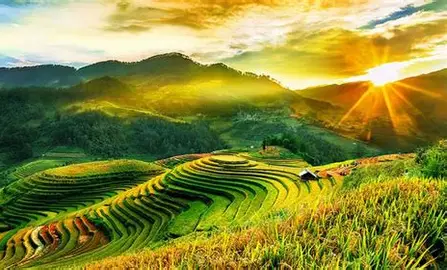
From November to January, Sapa takes on a mysterious atmosphere with misty mountains, clouds, and chilly weather.
During particularly cold periods, frost or even snow may appear around Fansipan, creating a unique winter landscape.
At 3,143 meters above sea level, Fansipan is the highest mountain in Vietnam and Indochina.
Travelers can take the cable car to the summit instead of completing the entire journey on foot. From the top, you can enjoy spectacular panoramic views of the Hoang Lien Son mountain range.
Suggested time: Half a day to a full day.

Located close to Sapa town, Cat Cat Village is a popular destination for discovering the traditional lifestyle and culture of the H’mong people.
Visitors can explore traditional houses, stone paths, waterfalls, handicraft workshops, and beautiful mountain scenery.
Muong Hoa Valley is famous for its spectacular terraced rice fields surrounded by mountains.
The scenery becomes particularly impressive during the rice harvest season in September and October, when the valley is covered in shades of golden yellow.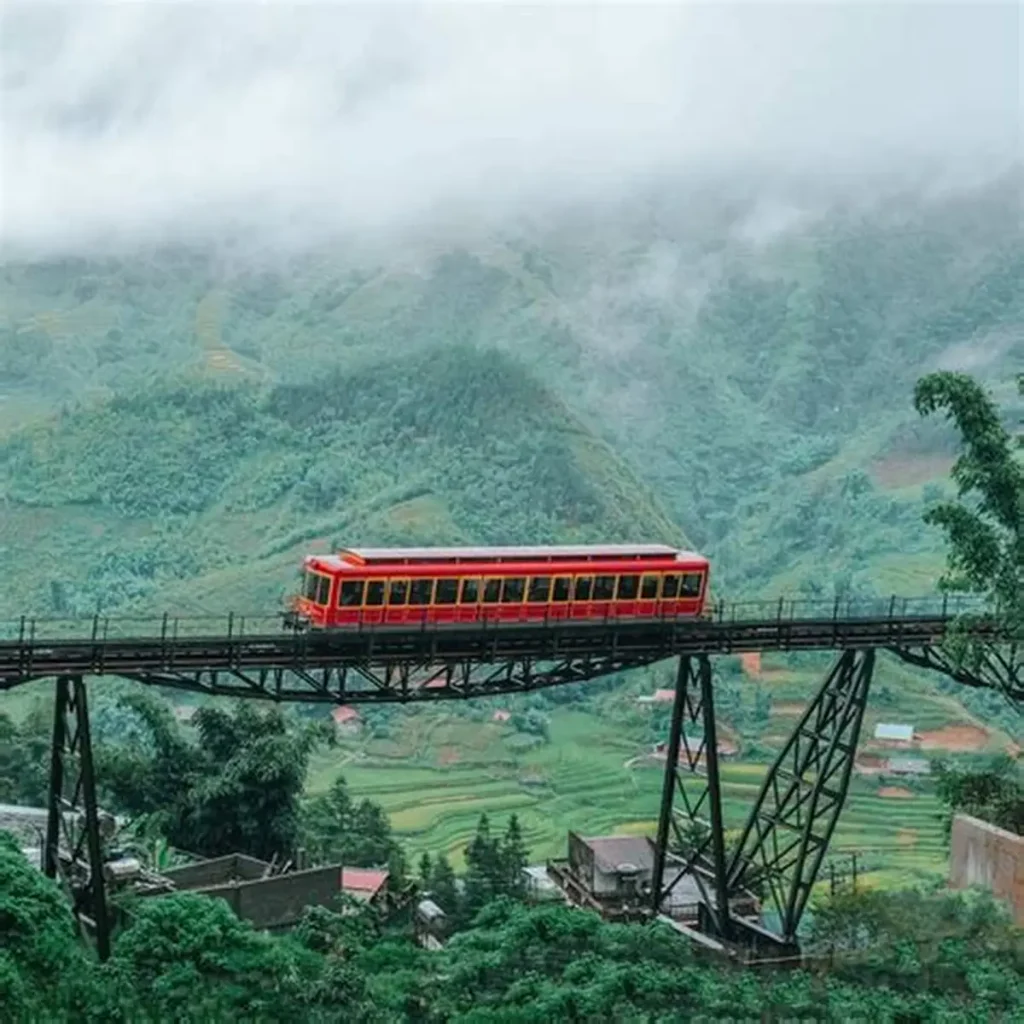
For travelers looking for a more authentic cultural experience, Ta Van Village is worth adding to the itinerary.
You can walk along small paths through the rice terraces, visit local homes, learn about ethnic traditions, or stay overnight at a local homestay.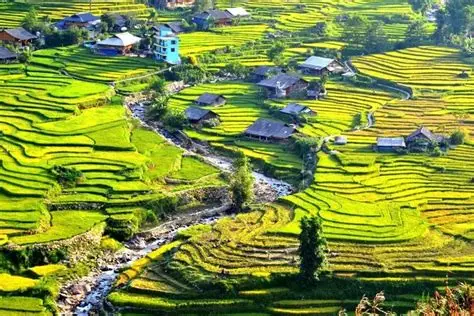
O Quy Ho Pass is one of the most famous mountain passes in northern Vietnam.
From the pass, travelers can admire dramatic mountain ranges and, on suitable days, spectacular cloud-covered landscapes.
Early morning and late afternoon can be particularly beautiful for photography.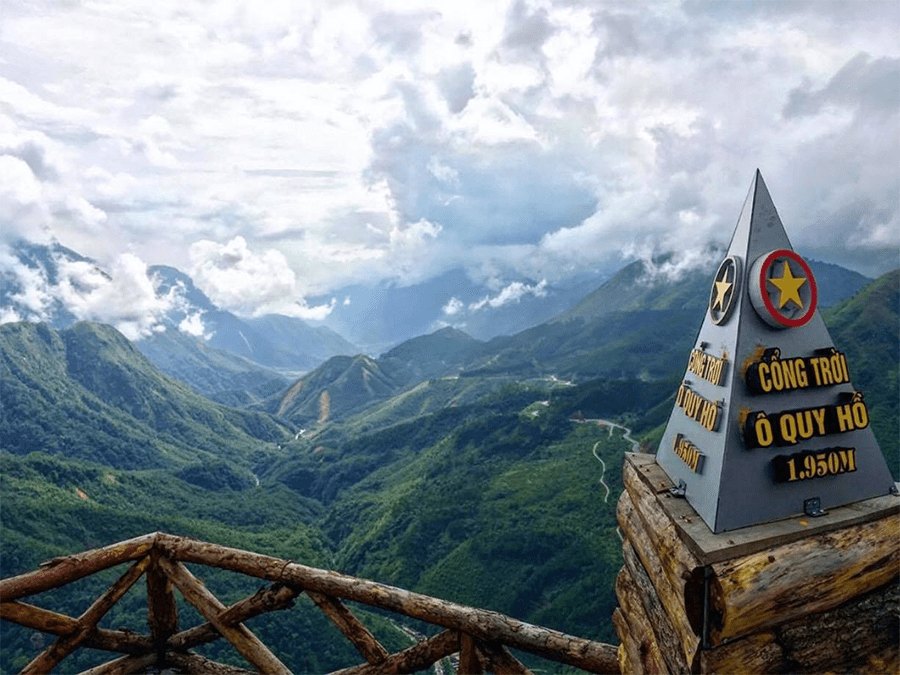
Located in the Hoang Lien Son mountain range, Silver Waterfall is known for its impressive cascade surrounded by lush green forests.
It is an ideal stop to combine with a trip to O Quy Ho Pass and other attractions around Sapa.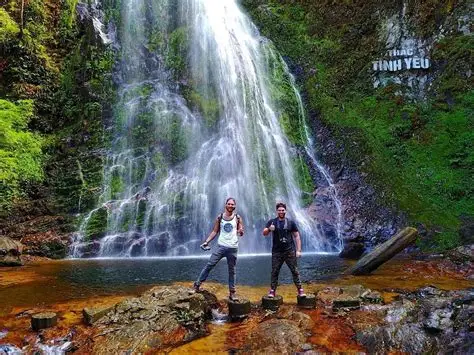
A trip to Sapa would not be complete without trying some local specialties.
Some popular dishes include:
Enjoying a steaming hotpot in Sapa’s cool mountain weather is one of the experiences many travelers look forward to.
To make your trip more comfortable, keep these tips in mind:
For first-time visitors, 3 days and 2 nights is a good amount of time to explore Sapa’s main attractions, including Fansipan, Cat Cat Village, Muong Hoa Valley, Ta Van Village, and O Quy Ho Pass.
If you have more time, consider spending 4–5 days in Sapa. This allows you to enjoy trekking routes, stay at a local homestay, explore more ethnic villages, and experience the slower pace of life in the mountains.
From the majestic peak of Fansipan and the spectacular rice terraces of Muong Hoa Valley to the peaceful villages of Ta Van and Cat Cat, Sapa offers a unique combination of nature, culture, and adventure.
Whether you want to trek through the mountains, discover ethnic cultures, photograph the rice terraces, chase the clouds, or simply enjoy the cool mountain air, Sapa offers an unforgettable experience.
Planning a trip to Sapa? Choose the season that matches your travel style and allow at least 3 days to experience the highlights of this beautiful destination in northern Vietnam.


